
A School Vision Screening Isn’t Enough: Why Comprehensive Eye Exams Are Essential for Kids

A School Vision Screening Isn’t Enough: Why Comprehensive Eye Exams Are Essential for Kids

A School Vision Screening Isn’t Enough: Why Comprehensive Eye Exams Are Essential for Kids

A School Vision Screening Isn’t Enough: Why Comprehensive Eye Exams Are Essential for Kids

A School Vision Screening Isn’t Enough: Why Comprehensive Eye Exams Are Essential for Kids

A School Vision Screening Isn’t Enough: Why Comprehensive Eye Exams Are Essential for Kids

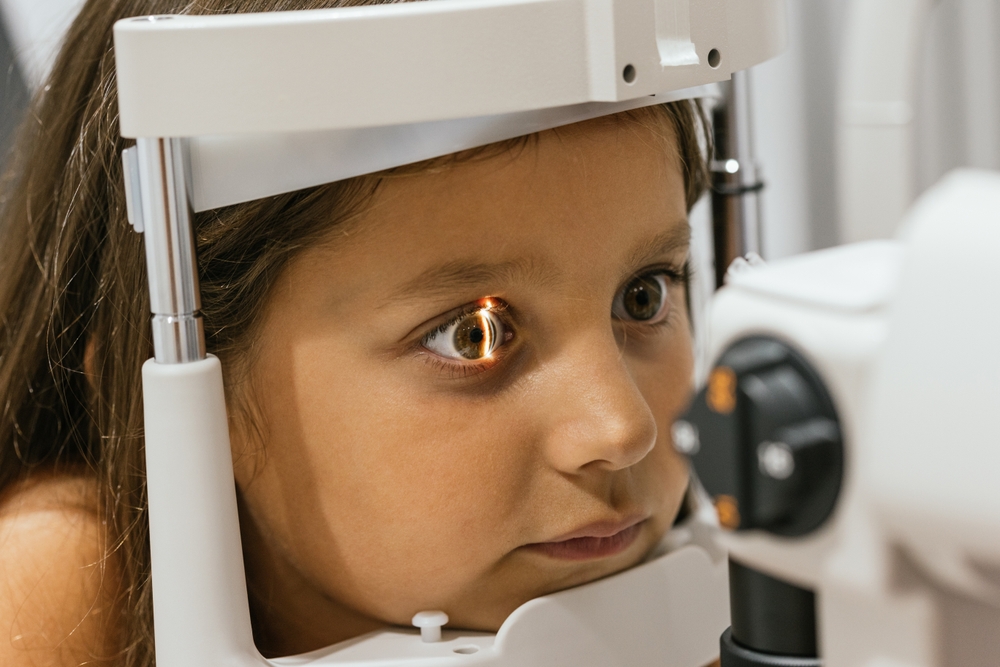
Many parents feel reassured when their child passes a school vision screening. While these screenings can be helpful as a basic checkpoint, they are not a substitute for a comprehensive pediatric eye exam. Understanding the limitations of school vision screenings and the benefits of comprehensive eye exams can help parents make informed decisions about their child’s eye health.
What Is a School Vision Screening?
School vision screenings are typically quick assessments designed to identify obvious vision problems, such as difficulty seeing the board from across the classroom. These screenings often involve reading letters from a chart at a distance and are usually administered by school staff or volunteers, not eye care professionals.
While screenings can flag some children who may need further evaluation, they are very limited in scope and are not intended to diagnose eye conditions or evaluate overall visual function.
The Limitations of School Vision Screenings
School screenings often miss vision issues that don’t involve distance blur. Many children with vision problems can still pass a screening, especially if they have one strong eye or are unaware that their vision isn’t normal. Some key limitations include:
No evaluation of eye health: Screenings do not examine the internal or external health of the eyes, meaning conditions like eye disease or structural abnormalities can go unnoticed.
No assessment of eye teaming or focusing: Problems with how the eyes work together, track, or focus are not tested.
Missed near-vision problems: Many classroom tasks involve close work, such as reading, writing, and using digital devices. Screenings usually focus only on distance vision.
No personalized recommendations: Screenings do not provide diagnoses, treatment plans, or guidance tailored to your child’s visual needs.
What a Comprehensive Eye Exam for Kids Includes
A comprehensive pediatric eye exam performed by an optometrist goes far beyond a simple vision check. At Ishigo Optometry, a child’s exam is designed to evaluate both vision clarity and how the visual system functions as a whole.
A comprehensive eye exam may include:
Measurement of distance and near vision
Evaluation of eye alignment and eye coordination
Assessment of focusing ability and visual tracking
Examination of eye health to detect early signs of disease or abnormalities
Identification of refractive errors such as nearsightedness, farsightedness, or astigmatism
These detailed evaluations allow eye doctors to detect issues early - often before a child or parent notices symptoms.
How Undetected Vision Problems Can Affect Learning
Vision plays a major role in how children learn. When vision problems go unnoticed, children may struggle academically or behaviorally without understanding why. Undiagnosed vision issues can lead to:
Difficulty reading or avoiding reading altogether
Short attention span or trouble concentrating
Frequent headaches or eye strain
Poor academic performance despite effort
Frustration, fatigue, or low confidence in school
Children rarely complain about vision problems because they assume everyone sees the way they do. This makes regular comprehensive eye exams even more important.
When Should Children Have Eye Exams?
The American Optometric Association recommends regular eye exams throughout childhood, even if no problems are suspected. Exams are especially important:
Before starting school
During early elementary years when reading skills develop
If a child struggles academically or complains of visual discomfort
If there is a family history of vision problems
Routine eye exams help ensure that vision is supporting your child’s growth and success.
Schedule Your Child’s Eye Exam Today
School vision screenings can be a useful first step, but they are not enough to protect your child’s long-term eye health or visual development. By prioritizing regular pediatric eye exams, parents can help catch vision issues early, support academic success, and set their children up for a lifetime of healthy vision.
Schedule a pediatric eye exam at Ishigo Optometry to ensure your child’s vision is developing properly and supporting their success both in and out of the classroom. Visit our office in Gardena, California, or call (888) 564-0016 to book an appointment today.


