
Blog

Blog

Blog

Blog

Blog

Blog

Ishigo Optometry Blog
Learn more about optometry care in our blog!

LASIK can reduce dependence on glasses or contact lenses, but the procedure itself is only one part of the process. Successful vision correction starts with determining whether your eyes are suitable for surgery and continues with careful follow-up as they heal.
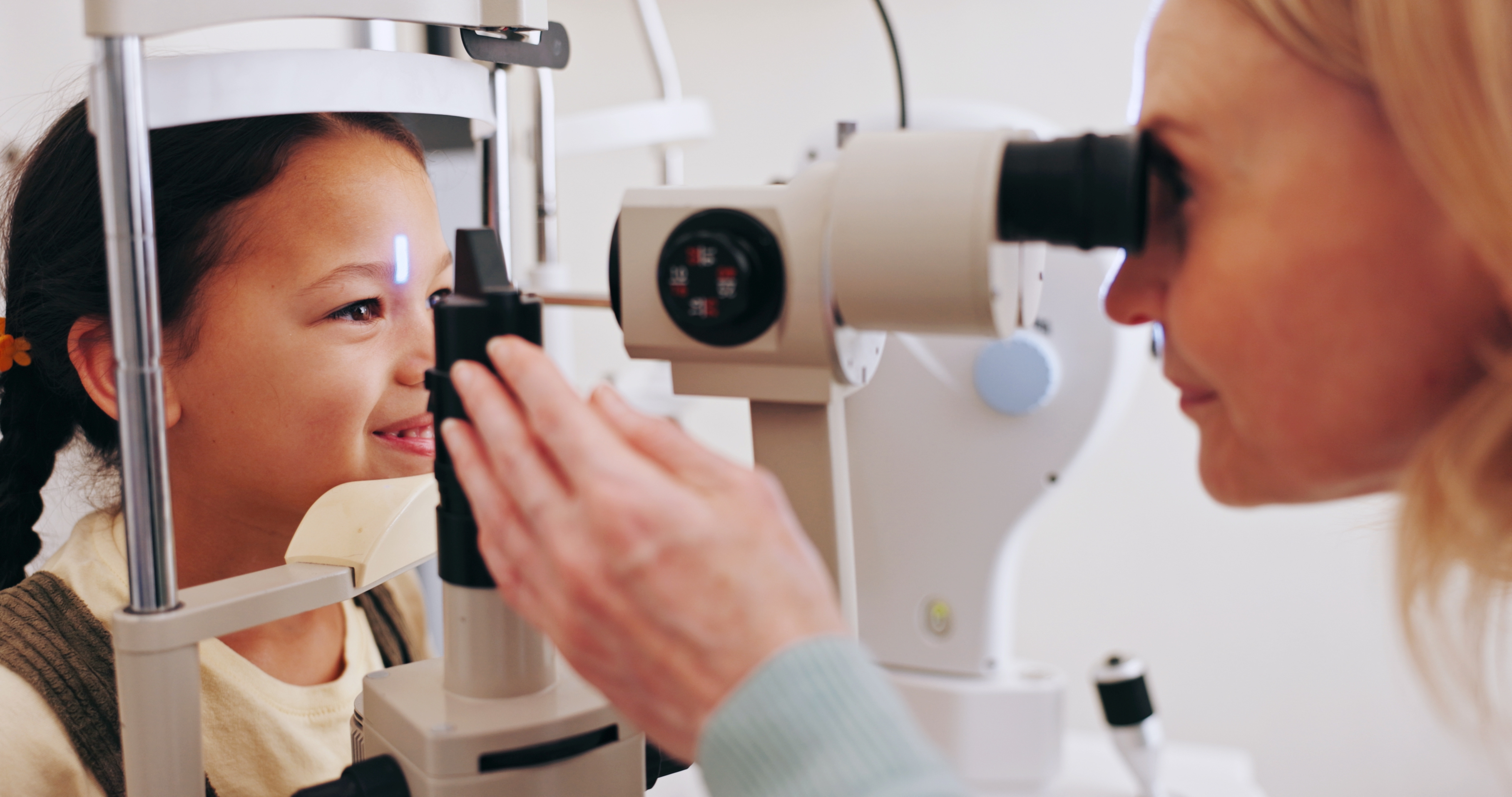
Before the first day of school, parents often focus on supplies, schedules, and new routines. A pediatric eye exam deserves a place on that checklist too. Vision problems can make reading, writing, screen use, and seeing the classroom board more difficult, sometimes creating challenges that look like attention or learning problems. At Ishigo Optometry in Gardena, CA, we provide comprehensive pediatric eye exams to evaluate how clearly and comfortably a child is seeing before classroom demands increase.
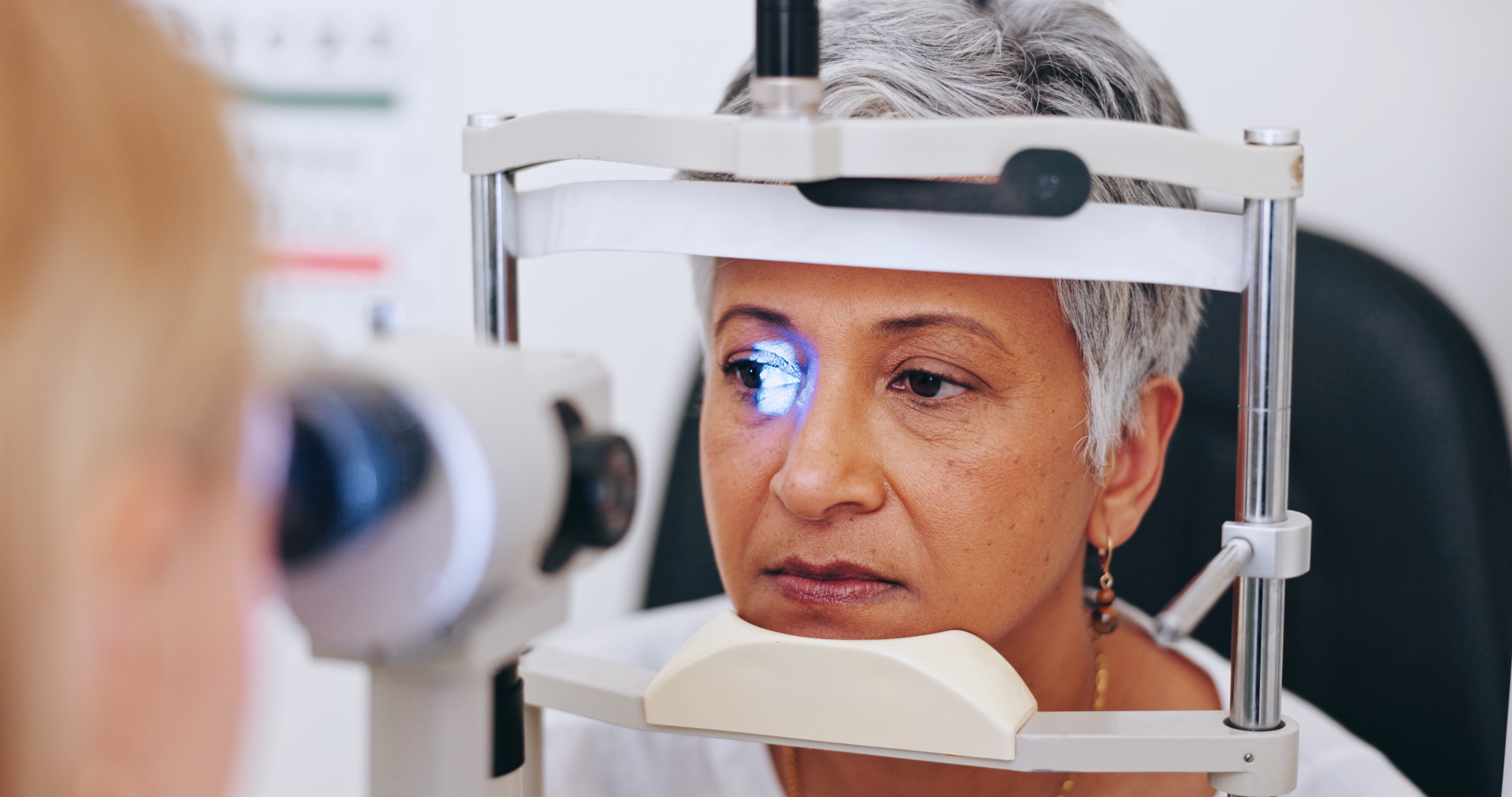
Eye problems can appear suddenly, and knowing where to seek care matters. Some symptoms require immediate treatment at an emergency room, while many infections, injuries, and sudden vision concerns can be evaluated by an optometrist. At Ishigo Optometry, we provide urgent eye care in Gardena to identify the cause of symptoms and help patients take the appropriate next step.

The South Bay is known for coastal air, bright skies, and frequent marine haze. While the haze can make the day feel softer, it can also make vision feel less sharp. At Ishigo Optometry in Gardena, we often hear from patients who notice eye strain, squinting, or difficulty seeing clearly when the sky looks gray, bright, or washed out.

Screen time is part of daily life, from work and school to entertainment and communication. While digital devices are useful, long hours on screens can affect your vision and eye health. At Ishigo Optometry in Gardena, we help patients understand how screen habits may contribute to eye strain, dryness, and changes in visual comfort.

Your vision is influenced by more than just your prescription. Daily habits like screen use, diet, sleep, and UV exposure can all affect how comfortably and clearly you see. At Ishigo Optometry, we help patients in Gardena understand how lifestyle choices may impact both short-term visual comfort and long-term eye health.

A regular eye exam checks your overall vision and eye health. A contact lens exam goes further. It evaluates how contact lenses fit on your eyes, how your tear film supports lens wear, and which lens type is most appropriate for your prescription and lifestyle. At Ishigo Optometry, we use this exam to help our Gardena patients wear contact lenses comfortably and safely.
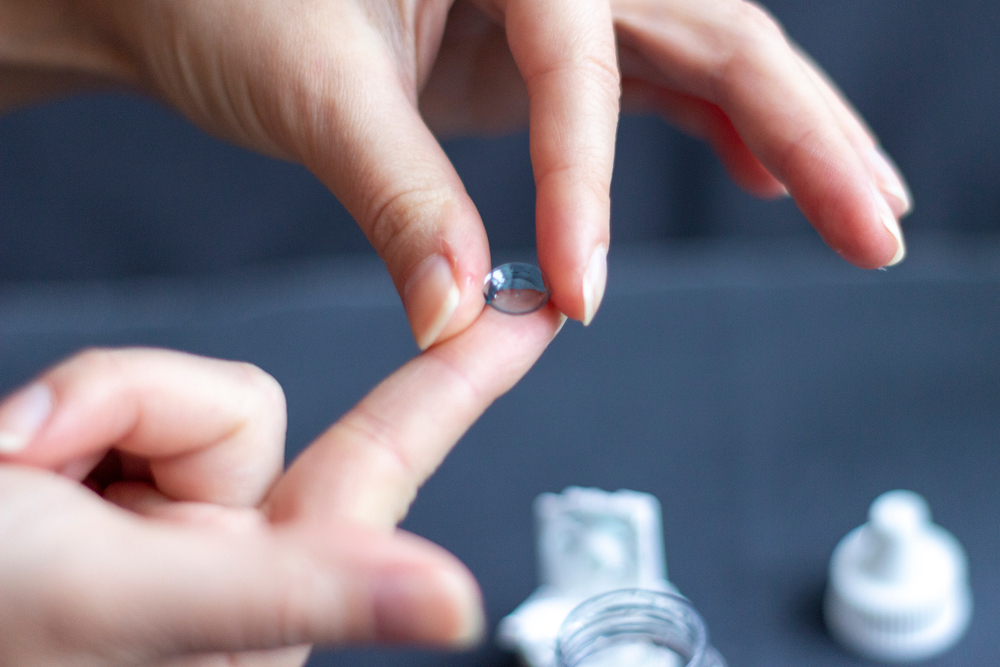
Myopia, or nearsightedness, is becoming increasingly common among children. If your child is squinting to see the board at school or holding books and devices very close to their face, they may be developing myopia. While glasses and daytime contact lenses can correct blurry distance vision, they do not slow the progression of the condition.
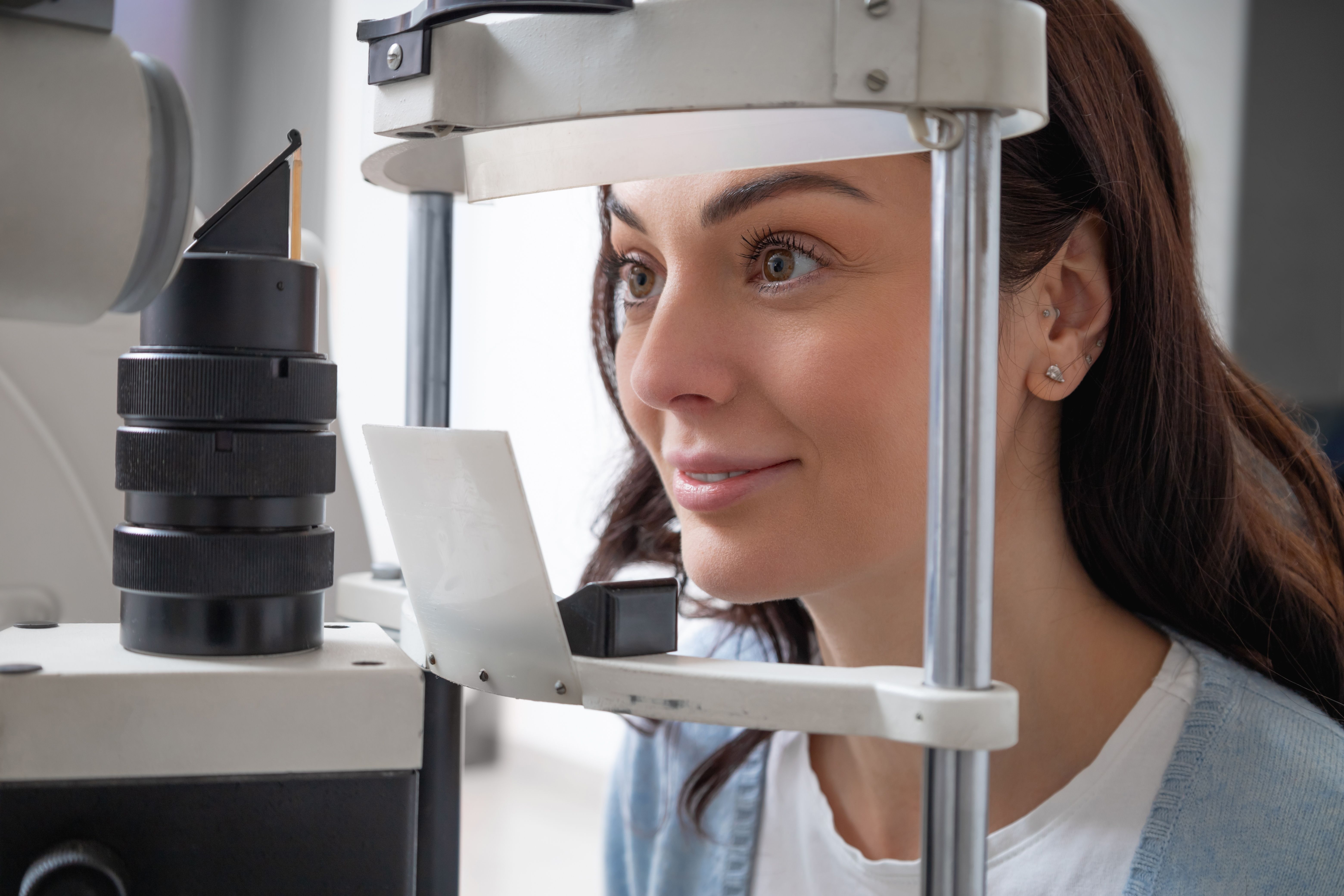
As we age, it’s natural for our eyes to change. Many people notice subtle shifts in how clearly they see, how well they focus, or how their eyes respond to light. While some of these changes are a normal part of aging, others may signal the early stages of an eye disease that requires prompt attention. Knowing the difference - and scheduling the right type of eye care - can help protect your vision for years to come.
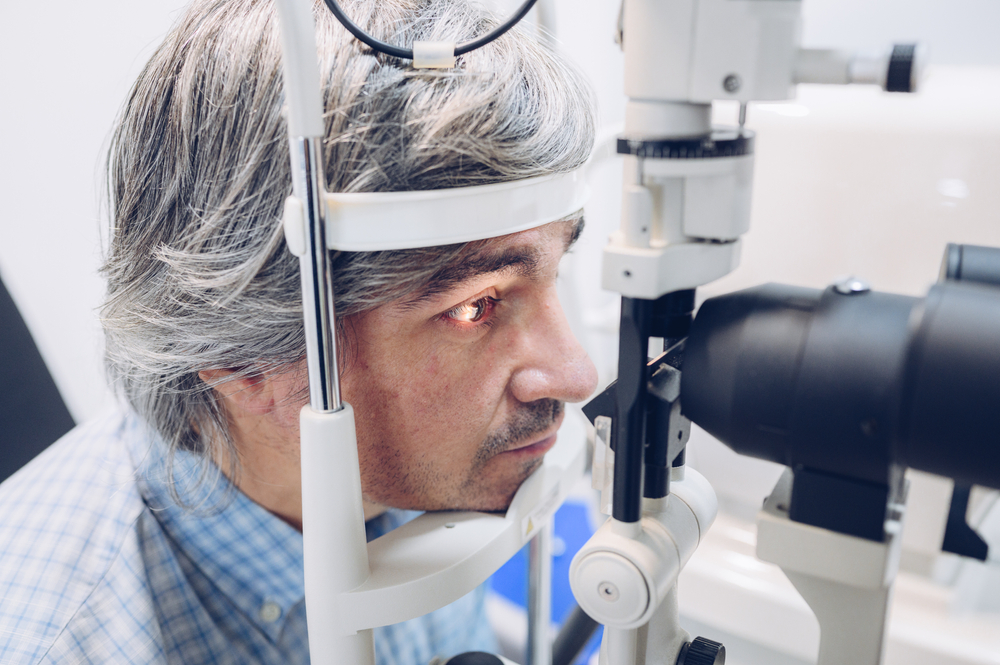
Diabetes doesn’t just affect blood sugar - it can also have a significant impact on eye health. Diabetic-related eye conditions often progress without noticeable symptoms until vision loss occurs, making regular eye exams a crucial part of preventive care. At Ishigo Optometry, we’re dedicated to helping patients protect their sight through early detection and management.


