
Distinguishing Normal Age-Related Vision Changes From Eye Disease

Distinguishing Normal Age-Related Vision Changes From Eye Disease

Distinguishing Normal Age-Related Vision Changes From Eye Disease

Distinguishing Normal Age-Related Vision Changes From Eye Disease

Distinguishing Normal Age-Related Vision Changes From Eye Disease

Distinguishing Normal Age-Related Vision Changes From Eye Disease

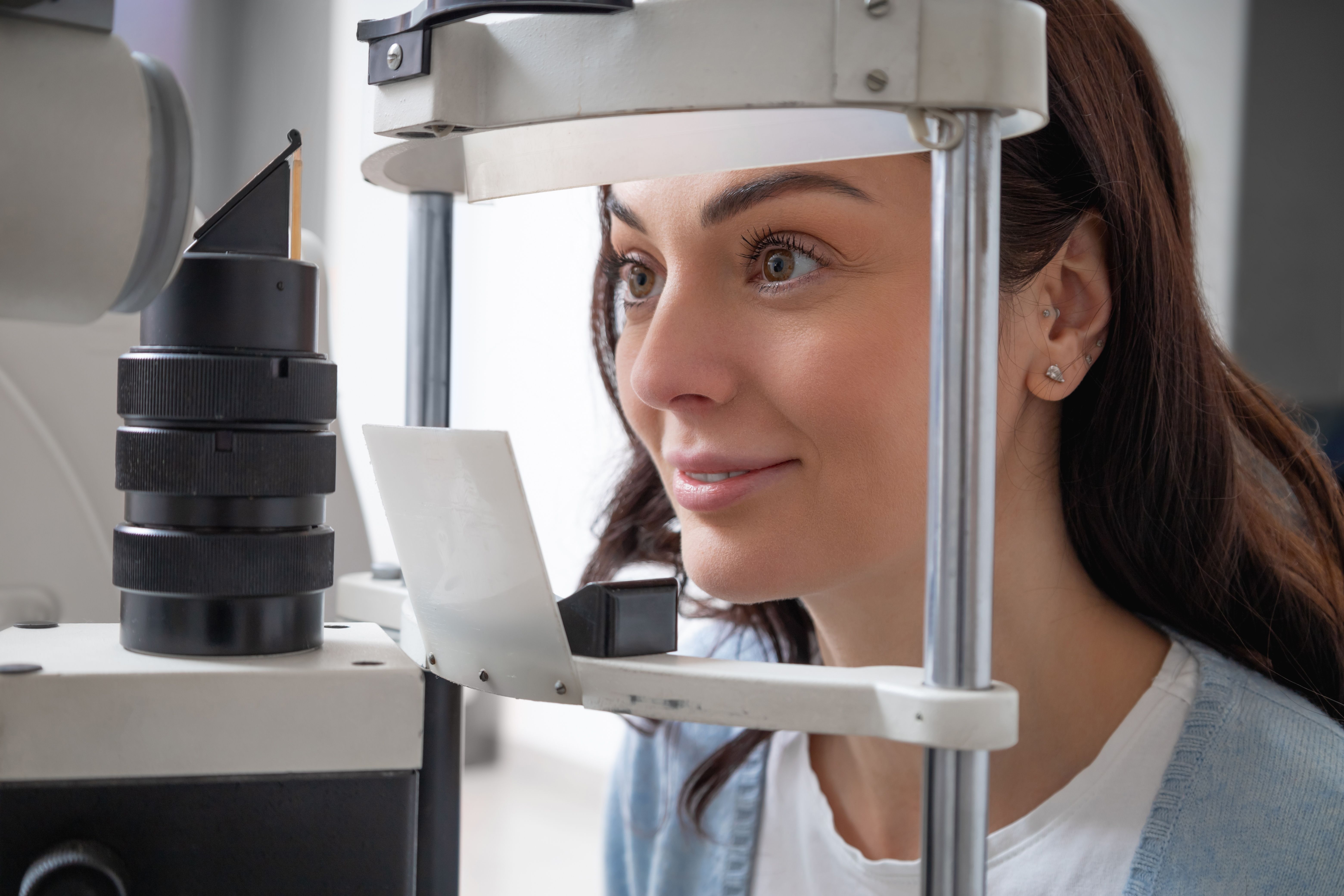
As we age, it’s natural for our eyes to change. Many people notice subtle shifts in how clearly they see, how well they focus, or how their eyes respond to light. While some of these changes are a normal part of aging, others may signal the early stages of an eye disease that requires prompt attention. Knowing the difference - and scheduling the right type of eye care - can help protect your vision for years to come.
At Ishigo Optometry, we believe patient education is a critical part of lifelong eye health. Understanding what’s normal, what’s not, and when to seek care can make all the difference.
Common Normal Age-Related Vision Changes
Normal age-related vision changes tend to happen gradually and affect both eyes similarly. These changes may include:
· Difficulty focusing on close objects, especially after age 40
· Needing brighter light to read or perform detailed tasks
· Increased sensitivity to glare from headlights or sunlight
· Slower adjustment between bright and dim environments
· Mild dryness or occasional eye fatigue
These changes are typically manageable with updated glasses or contact lenses, proper lighting, and routine eye care. While they can be frustrating, they do not usually involve damage to the eye’s internal structures.
Symptoms That May Indicate Eye Disease
Some vision changes go beyond normal aging and may be warning signs of an underlying eye condition. In general, the three symptoms indicative of eye disease are:
1. Changes in vision – such as sudden blurriness, distortion, blind spots, flashes of light, or noticeable vision loss
2. Changes in the appearance of the eye – including redness, swelling, cloudiness, drooping eyelids, or visible abnormalities
3. Abnormal sensations or pain in the eye – such as persistent discomfort, pressure, burning, itching, or sharp pain
These symptoms should never be ignored, even if they seem mild or come and go. Many eye diseases - including glaucoma, macular degeneration, diabetic eye disease, and retinal conditions - can progress silently before noticeable vision loss occurs.
Why a Comprehensive Eye Exam Matters
A comprehensive eye exam is designed to evaluate both your vision and your overall eye health. It includes:
· Vision testing to determine clarity and prescription needs
· Evaluation of eye alignment and focusing ability
· Measurement of eye pressure
· Examination of the front and back of the eye
· Screening for early signs of eye disease
Even if your vision seems fine, a comprehensive exam can detect early changes that you may not notice on your own. This is especially important because many serious eye conditions develop without symptoms in their early stages.
Eye Disease Evaluation vs. Comprehensive Eye Exam
While these two types of visits are related, they serve different purposes.
A comprehensive eye exam is a routine, preventive evaluation recommended annually or as advised by your optometrist. Its goal is to maintain eye health, update prescriptions, and screen for potential problems before they become serious.
An eye disease evaluation, on the other hand, is more targeted. It is performed when there are concerning symptoms, abnormal findings, or known risk factors such as diabetes, a family history of eye disease, or previous eye trauma. This type of evaluation may involve advanced imaging, specialized testing, and closer monitoring to diagnose or manage a specific condition.
Both are essential components of complete eye care. Skipping routine exams or delaying a disease evaluation can allow conditions to progress unnoticed.
When to Schedule an Appointment
You should schedule an eye exam if you notice any new or worsening vision changes, eye discomfort, or visible changes in your eyes. Even without symptoms, regular comprehensive exams are vital - especially as you age or if you have health conditions that affect your eyes.
Early detection is one of the most powerful tools in preserving vision. Many eye diseases are highly manageable when caught early, but far more difficult to treat once damage has occurred.
Stay Ahead of Vision Changes with Ishigo Optometry
Not all vision changes are cause for alarm, but knowing the difference between normal aging and potential eye disease is essential. Changes in vision, changes in the appearance of the eye, or abnormal sensations or pain should always be evaluated by an eye care professional. Comprehensive eye exams and eye disease evaluations work together to protect your sight, detect problems early, and support lifelong visual health.
If it has been more than a year since your last eye exam - or if you are experiencing any concerning symptoms - schedule an appointment with Ishigo Optometry. Visit our office in Gardena, California, or call (888) 564-0016 to book an appointment today.


