
How Pediatric Eye Exams Help Catch Learning Difficulties Before the First Day of School

How Pediatric Eye Exams Help Catch Learning Difficulties Before the First Day of School

How Pediatric Eye Exams Help Catch Learning Difficulties Before the First Day of School

How Pediatric Eye Exams Help Catch Learning Difficulties Before the First Day of School

How Pediatric Eye Exams Help Catch Learning Difficulties Before the First Day of School

How Pediatric Eye Exams Help Catch Learning Difficulties Before the First Day of School

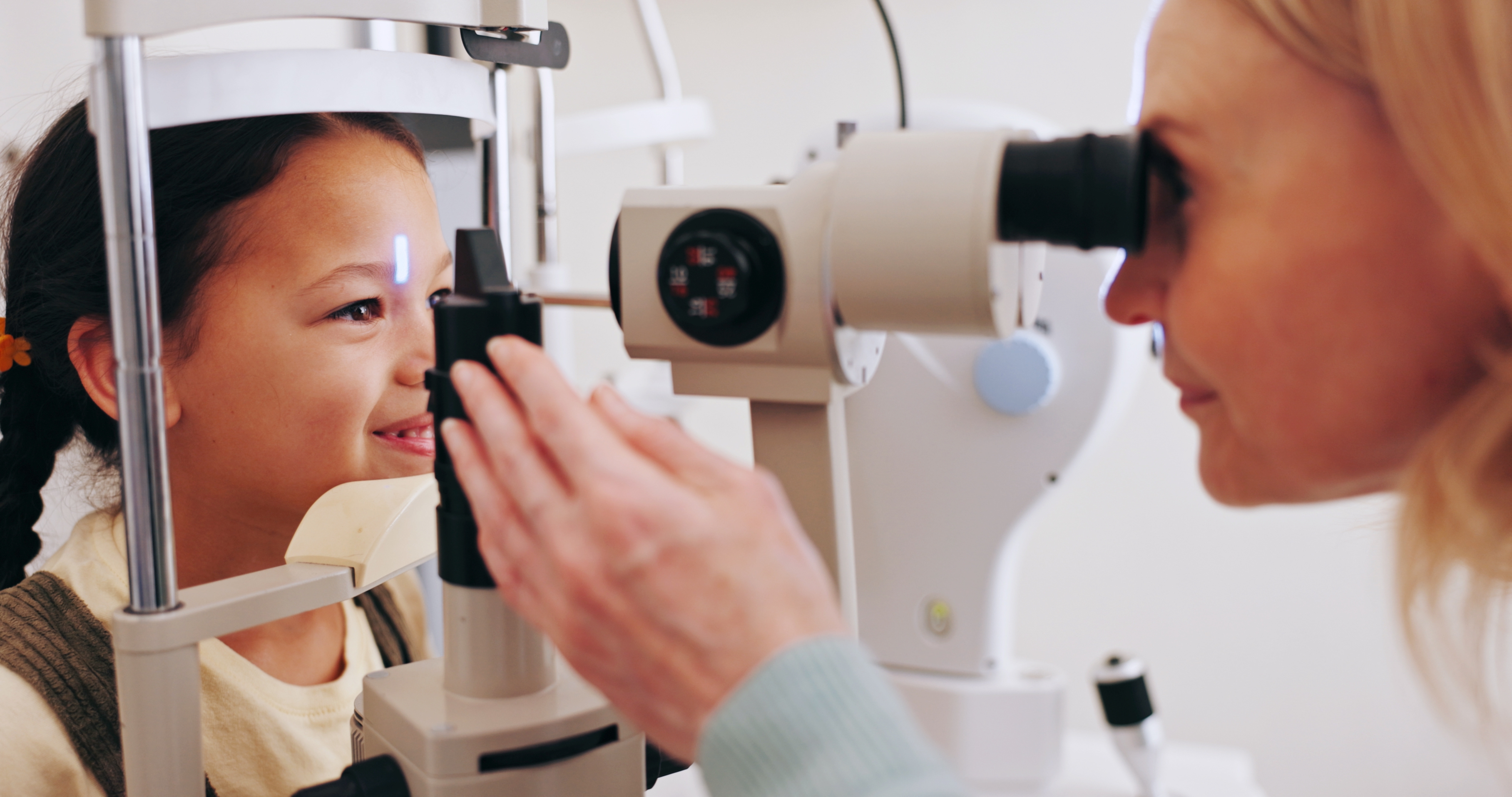
Before the first day of school, parents often focus on supplies, schedules, and new routines. A pediatric eye exam deserves a place on that checklist too. Vision problems can make reading, writing, screen use, and seeing the classroom board more difficult, sometimes creating challenges that look like attention or learning problems. At Ishigo Optometry in Gardena, CA, we provide comprehensive pediatric eye exams to evaluate how clearly and comfortably a child is seeing before classroom demands increase.
Vision Plays a Major Role in the Classroom
School requires children to constantly shift between near and distance tasks. They may read a book, look across the room at the board, return to a worksheet, and use a computer within a short period of time.
If a child has uncorrected nearsightedness, farsightedness, astigmatism, or another vision concern, these tasks may require more effort than they should. Ishigo Optometry's pediatric eye exams evaluate visual acuity, eye alignment, depth perception, and overall eye health to identify problems that could interfere with comfortable classroom vision.
Finding these concerns before school begins gives Gardena families time to address them before homework and classroom activities become more demanding.
Signs a Vision Problem May Be Affecting Schoolwork
Children do not always know that their eyesight is different from everyone else's. Parents may notice changes in behavior before hearing a complaint about blurry vision.
Signs worth discussing during a pediatric eye exam include:
- Squinting to see the board or distant objects
- Holding books or devices unusually close
- Complaining of headaches or tired eyes during homework
- Frequently rubbing the eyes
- Avoiding reading or other close-up activities
- Difficulty seeing clearly at different distances
- Becoming frustrated during visually demanding schoolwork
These behaviors do not automatically mean a child has a learning disability. They can, however, indicate that vision should be evaluated as one part of the bigger picture.
Eye Exams Do Not Diagnose Learning Disabilities
It is important to make this distinction. Pediatric eye exams can identify vision problems that may interfere with school activities, but they do not diagnose conditions such as dyslexia or other learning disabilities.
Dyslexia is a language-based learning disorder rather than a problem caused by the eyes. However, children can have both a learning disability and an unrelated vision problem. Ruling out blurry vision or another eye concern helps parents and educators understand whether eyesight is adding an unnecessary obstacle to learning.
If a child's vision is normal but academic difficulties continue, additional educational, developmental, or medical evaluation may be appropriate.
Why a School Vision Screening May Not Be Enough
Passing a school screening can be reassuring, but it should not always replace a comprehensive pediatric eye exam.
School screenings are designed as basic checks that may identify common vision problems and flag children who need further evaluation. Ishigo Optometry explains that a comprehensive pediatric eye exam provides a more complete assessment of vision and eye health than a typical screening.
This is especially important when a Gardena student continues squinting, complaining about headaches, or struggling with visually demanding tasks despite having passed a screening.
Correcting Vision Problems Before School Starts
When an exam identifies a refractive error, prescription glasses may be enough to provide clearer, more comfortable vision. Other children may need monitoring or additional care depending on what the examination finds.
Ishigo Optometry also offers services such as myopia management and Ortho-K for children whose nearsightedness requires more than a routine prescription update. The goal is to address the specific vision concern rather than assuming every school difficulty has the same cause.
Scheduling before classes begin also gives your child time to adjust to new glasses or other recommended treatment without adding another change during the first hectic weeks of school.
Give your child a clearer start to the school year by scheduling a pediatric eye exam with Ishigo Optometry at 1425 W. Artesia Blvd., Suite 32, Gardena, CA 90248, or call 888-564-0016 to make sure their vision is ready for the classroom.


